Homemade Sauce Ideas for Better Drunken Noodles
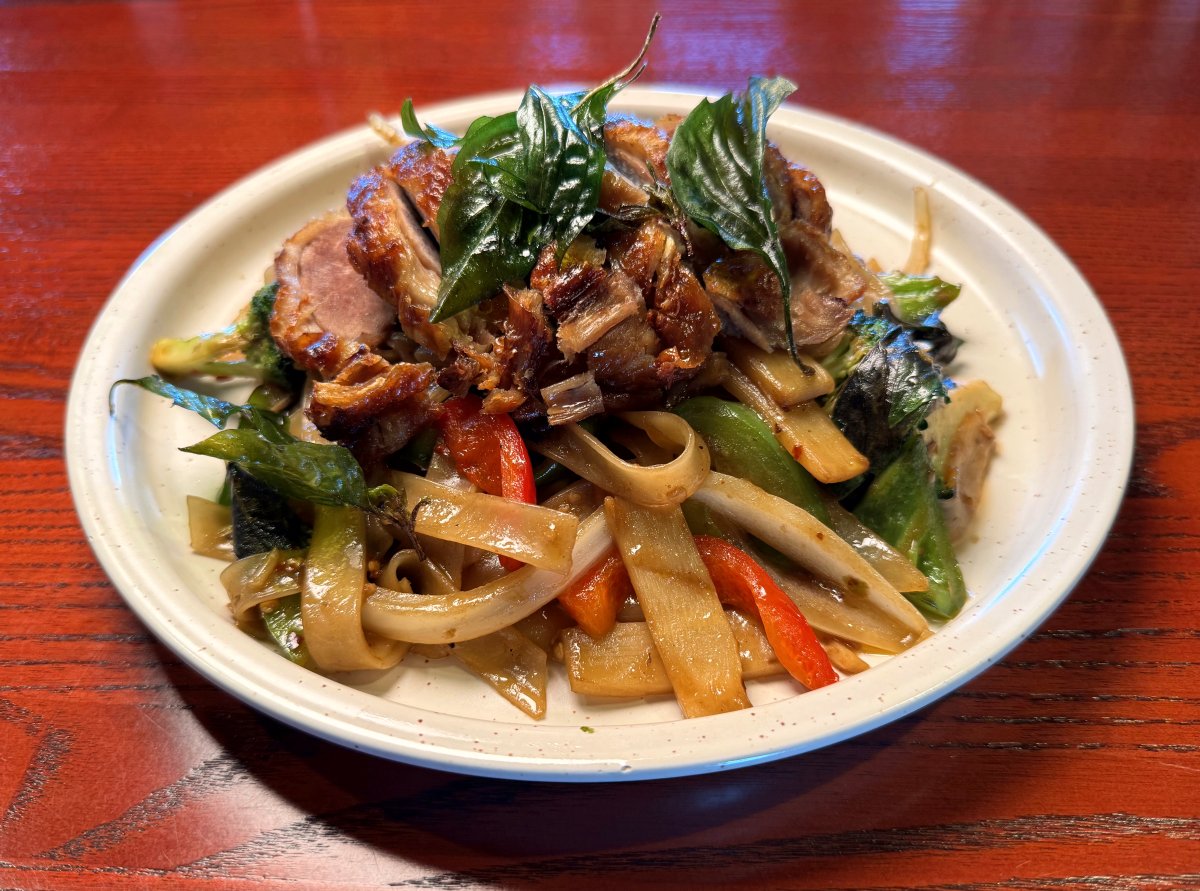
Drunken Noodles live or die by the sauce. You can have fresh wide rice noodles, fragrant Thai basil, crisp Chinese broccoli, and a hot wok ready to go, but if the sauce lands flat, the whole plate feels dull. Too sweet, and it tastes sticky rather than savory. Too salty, and every bite becomes a chore. Too thin, and the noodles steam instead of glossing. Too thick, and the sauce clumps before it has a chance to coat.
That is why homemade sauce matters so Drunken Noodles much with Drunken Noodles. Store-bought stir fry sauces tend to chase one note, usually sugar or soy, and they rarely capture the layered balance that makes this dish memorable. A good homemade version should taste deep, dark, savory, a little sweet, a little fiery, and aromatic enough to stand up to basil and charred vegetables. It should also behave properly in the pan. That part gets overlooked. Sauce is not only about flavor. It is also about how it reduces, clings, and finishes.
After years of making noodle stir fries at home and in professional kitchens, I have found that the best Drunken Noodles sauce is not a single formula. It is a family of sauces built on a few principles. Once you understand those principles, you can make a version that fits your pantry, your heat tolerance, and the exact style of noodles you want, whether that means street-stall intensity or a gentler weeknight bowl.
What the sauce needs to do
A proper sauce for Drunken Noodles has several jobs at once. It seasons the noodles, of course, but it also creates the sheen that makes the dish look appetizing. It carries the heat from chilies through the entire pan. It bridges the strong flavors of basil, garlic, onion, and protein. It should even help the noodles pick up those slightly smoky, caramelized edges that people often describe as wok flavor.
This is why a random splash of soy sauce and oyster sauce rarely delivers the full result. Soy alone can season, but it does not round out the dish. Oyster sauce adds body and sweetness, but too much makes the noodles heavy. Fish sauce brings the unmistakable Thai backbone, though it can overwhelm a pan if not balanced. Sugar looks minor on paper, yet even a small amount can transform the texture and the finish. It helps the sauce glaze instead of simply wetting the noodles.
The best sauces also account for moisture. Fresh rice noodles release and absorb water differently from dried noodles. Chicken throws liquid into the wok as it cooks. Shrimp can do the same if the heat is not high enough. Vegetables, especially bok choy or broccoli stems, can dilute a sauce quickly. If your sauce tastes perfect in the bowl but bland in the pan, that is usually the reason.
The flavor structure worth remembering
Think of Drunken Noodles sauce as a balance among salinity, sweetness, umami, heat, and aroma. Acidity is usually less obvious than in some other noodle dishes, but a touch of it can sharpen the finish if your sauce tastes muddy.
These are the core players most cooks work with:
- light soy sauce for salinity and clean soy flavor
- dark soy sauce for color and a deeper, slightly molasses-like edge
- oyster sauce for body, sweetness, and savory roundness
- fish sauce for funk, depth, and that unmistakable Thai profile
- sugar, usually palm sugar or brown sugar, to smooth rough edges and help the sauce cling
This short list looks simple, but the proportions change everything. A sauce heavy on dark soy turns richer and more dramatic in color, though it can taste Get more info slightly flat if there is not enough fish sauce or fresh chili to cut through it. A sauce with more oyster sauce becomes fuller and friendlier, often the version families prefer. If you lean into fish sauce, the dish becomes livelier and more assertive, especially with lots of basil and garlic.
Palm sugar is ideal when you have it because it melts into a soft, rounded sweetness. Brown sugar works well and is much easier to keep on hand. White sugar is fine in a pinch, though it gives a cleaner sweetness and less warmth. If I am cooking for people who say they want restaurant-style Drunken Noodles, I usually reach for palm sugar or light brown sugar first.
Why homemade beats bottled sauce in this dish
Bottled sauces are built for shelf stability and broad appeal. That usually means more sugar, more thickener, and less nuance. Some are useful for quick meals, but Drunken Noodles are especially unforgiving because the noodles themselves are mild. They expose every weakness in the sauce. A bottled stir fry sauce that tastes acceptable on broccoli and chicken can taste oddly candied or metallic when it is the main flavoring agent on rice noodles.
Homemade sauce also lets you adjust for the rest of the pan. If your basil is especially peppery, you can soften the salt and increase sweetness slightly. If your chilies are mild, you can add more fresh heat without changing the body of the sauce. If your noodles are on the dry side, you can thin the sauce with a spoonful or two of stock or water and still keep the balance intact.
There is also a practical advantage. Once you start mixing your own sauces, you become much better at fixing a dish mid-cook. That skill matters with stir frying because things move fast. You do not always have time to stop and think through why the pan tastes flat. Experience teaches you that flat often means it needs fish sauce or chili, not more soy. Harsh usually means too much soy or too much heat from burned garlic. Sweet and limp often means the sauce reduced before the noodles could absorb it.
A dependable base sauce for most home cooks
If I were building a starting point for a standard batch, enough for roughly 8 to 12 ounces of fresh wide rice noodles with vegetables and protein, I would use a ratio that stays balanced under real kitchen conditions, not only in theory.
- 2 tablespoons oyster sauce
- 1 1/2 tablespoons light soy sauce
- 1 to 2 teaspoons dark soy sauce
- 1 to 2 teaspoons fish sauce
- 1 to 2 teaspoons palm sugar or brown sugar
That base gives you room to move. If you are using very fresh, tender noodles and a hot wok, stay closer to the lower end on fish sauce and sugar at first. The sauce will reduce fast, and the flavors intensify. If you are using dried noodles or a broader, saucier style with more vegetables, the higher end often works better.
A spoonful of water or stock can be added before the sauce hits the pan if your mixture seems too concentrated. I do this often when cooking on a powerful burner because a slightly looser sauce buys me a few extra seconds to toss everything together before it catches. That is not cheating. It is good pan management.
Sauce style number one: bold and classic
This is the version I reach for when I want a plate that tastes dark, savory, and unmistakably like Drunken Noodles from a strong line cook on a busy night. The key is fish sauce restraint paired with enough dark soy to stain the noodles beautifully without making the dish murky.
Use oyster sauce as the anchor, not the dominant note. Let light soy handle most of the salt. Add just enough dark soy for color and a faint bittersweet depth. Then bring in fish sauce carefully. Many home cooks dump in too much because they want authenticity. The result is not authentic. It is aggressive. Good Drunken Noodles should smell enticing, not confrontational.
Fresh chilies matter here. Dried chili flakes can provide heat, but the green, sharp edge of fresh Thai chilies cuts through the richness in a way flakes do not. If you are making the sauce ahead, keep the chilies out of the mixture and add them in the pan with the garlic. That preserves their brightness and helps perfume the oil.
This bold style works best with beef, chicken thigh, or tofu that has been properly dried and seared. It can overpower delicate shrimp unless you lighten it slightly with a bit more sugar and less dark soy.
Sauce style number two: sweeter and more crowd-friendly
Not every pan of Drunken Noodles needs to hit like a street-side special at midnight. Sometimes the goal is a balanced, deeply savory noodle dish that appeals to a wider table. For that, I soften the fish sauce, increase oyster sauce a little, and add a touch more sugar.
The trick is not to drift into generic sweet stir fry territory. You still want enough soy and chili to keep the sauce from tasting glossy but bland. I often pair this style with chicken, mushrooms, and broccoli, then finish with plenty of Thai basil. The extra sweetness helps younger basil taste vibrant instead of grassy, and it rounds out mushrooms especially well.
One caution from experience: when you make a sweeter sauce, the risk of scorching rises fast. Sugar and high heat can be glorious, but only if the noodles are moving. If your stove runs hot and your pan is small, lower the sugar slightly and let the vegetables contribute some natural sweetness instead.
Sauce style number three: fish sauce forward and herbal
This version is for people who want the aroma to jump off the plate. It is less dark, less glossy, and more fragrant. I use less dark soy, keep oyster sauce moderate, and let fish sauce and basil carry the finish. It tastes lighter, though not actually lower in seasoning.
This style is excellent with shrimp or a mix of seafood, where too much dark sauce can bury the main ingredient. It also suits a pan heavy with basil and long hot peppers. If you have ever had Drunken Noodles that tasted vivid rather than brooding, this is probably close to what the cook was doing.
A tiny squeeze of lime at the end can work here, though only a few drops. Too much acidity turns the dish into something else. You do not want pad thai brightness. You want just enough lift to keep the savory notes from settling.
Sauce style number four: smoky and caramelized
Home cooks often chase wok hei, that smoky, charred complexity from intense heat, without the equipment to fully achieve it. A smart sauce can help bridge the gap. For a more caramelized version, slightly increase dark soy and sugar, keep the sauce compact, and cook in smaller batches so the noodles get direct contact with the pan.
This is the style I use when I know my basil is plentiful and especially aromatic. The deeper sauce gives the herbs something to push against. It also pairs beautifully with sliced onion that is allowed to blister at the edges before the noodles go in.
The trade-off is obvious. Richer caramelized sauce leaves less margin for error. Ten extra seconds in the pan and the garlic can go bitter, the sugar can catch, and the noodles can clump. If your noodles are delicate or prone to breaking, choose the classic bold style instead.
The ingredient swaps that actually work
Most people do not keep every Thai sauce in the pantry all the time, and that should not stop you from making excellent Drunken Noodles. The main thing is to understand what each ingredient is contributing before you swap it.
If you do not have dark soy sauce, use a little more light soy and accept that the color will be paler. Do not replace dark soy one-for-one with regular soy and expect the same result. Dark soy is less about salt than about color and a certain mellow depth.
If oyster sauce is off the table, a vegetarian mushroom stir fry sauce can work surprisingly well. It will not taste identical, but it preserves the body that the dish needs. Hoisin is not my first choice. It is often too sweet and too spiced, and those notes can make the noodles taste confused.
If fish sauce is unavailable, soy alone will not fully replace it. A small amount of anchovy dissolved into the sauce can help, though that is a kitchen workaround, not a traditional move. For vegetarian cooking, a mixture of light soy, mushroom seasoning, and a touch more sugar gets you closer to balance than plain soy does.
I have also seen people add sesame oil. For Drunken Noodles, I usually advise against it. Sesame oil pushes the flavor profile in a different direction and can muddy the clean heat and basil aroma that define the dish.
The sauce has to match the noodles
Sauce behavior changes depending on the noodles more than many recipes admit. Fresh wide rice noodles absorb sauce on the surface but do not drink it in the way wheat noodles do. They need coating, gloss, and enough concentrated flavor to carry each bite. Dried noodles, once cooked, can be thirstier and a little more uneven in texture. They often benefit from a slightly looser sauce.
If you are using refrigerated fresh noodles that come stuck together, separate them gently before the stir fry. If they tear, no sauce can save the texture. A little oil and a brief warm-up can help. If you force them apart cold, you end up with short broken pieces that overcook quickly.
This matters because the right sauce for plump, supple fresh noodles may feel too intense on thinner dried noodles. I learned this the hard way years ago cooking for a large group with mixed noodle brands. The same sauce that coated one batch beautifully made the second batch taste oversalted because the noodles were narrower and carried more sauce per bite. Since then, I season in stages whenever I am not fully confident about the noodle type.
Common problems and how the sauce fixes them
A bland pan usually needs more than salt. If it tastes flat, add a little fish sauce or a few more smashed chilies before you add more soy. Flatness is often a missing high note or aromatic edge, not simple underseasoning.
If the noodles look dark but taste weak, the sauce likely leaned too hard on dark soy. Correct with oyster sauce or fish sauce, not more dark soy. Dark soy can make a dish appear rich before the flavor actually gets there.
If the sauce pools at the bottom, it is too thin for the amount of noodles or the pan was not hot enough. Reduce the liquid in future batches, or cook less food at once so the wok can recover heat quickly.
When the sauce tastes harsh, bitter, or oddly burned, the problem may not be the sauce itself. Garlic scorched in oil can taint the whole pan. The same goes for sugar that hit a dry hot surface too early. In those cases, adding more sauce only deepens the mistake. Start again if the bitterness is pronounced.
A note on heat, because it shapes the sauce
Drunken Noodles should have some fire, but heat is not just about punishment. Chili sharpens the sweetness, makes fish sauce seem cleaner, and helps the basil feel more fragrant. Without enough chili, even a properly balanced sauce can taste heavy.
That does not mean every batch needs to be blistering. It means the sauce should account for your chili level. If the heat is low, the sauce often benefits from slightly less sugar and a touch more fish sauce to maintain energy. If the heat is very high, a bit more sugar can keep the dish from tasting one-dimensional.
Fresh bird's eye chilies are the obvious choice, but fresnos or serranos work well in many home kitchens. The flavor shifts slightly, yet the dish remains convincing if the rest of the sauce is dialed in.
Building your own house sauce
Once you have made Drunken Noodles a few times, it is worth creating a house sauce that suits your habits. Mine changes with the season. In warmer months, I prefer a lighter, more fish sauce driven mix with more basil and fresh chili. In cooler months, I often make a darker, more caramelized version with beef and onion.
Keep notes the first few times. Not formal recipe notes, just quick observations. Too dark. Better with less sugar. Needed more fish sauce with tofu. Those little records shorten the learning curve dramatically. Stir fry cooking is fast, and memory is less reliable than people think once the pan is smoking.
There is also no rule that says the sauce must be mixed only one way. Sometimes I combine the soy, oyster sauce, fish sauce, and sugar in advance. Other times I add fish sauce later to preserve its edge. That second method can give a livelier finish, especially when cooking seafood or vegetables with high water content.
The finish that makes the sauce feel complete
A good Drunken Noodles sauce should not sit on top of the noodles like a glaze from a bottle. It should fuse with the starch on the surface, seep into creases, and leave the plate smelling of chili, basil, and savory depth. That final effect depends on timing as much as formulation.
Add the sauce when the aromatics are fragrant and the protein is nearly cooked. Then toss decisively so the noodles absorb and coat at the same time. Basil should go in near the end, just long enough to wilt and release its oils. If it cooks too long, it turns black and loses the lift that balances the sauce.
Taste the noodles, not just the sauce in the bowl. This is one of the most useful habits any cook can develop. The sauce can seem salty on its own and still be perfect once spread across noodles and vegetables. The reverse is also true. A mild bowl of sauce can disappear completely in the pan.
Homemade sauce gives you control over every one of these variables. That is the real advantage. Better Drunken Noodles are not about some secret ingredient hidden in the back of a restaurant kitchen. They come from understanding what the sauce needs to do, choosing a style that fits your ingredients, and adjusting with a steady hand. Once that clicks, the dish becomes far more flexible and far more reliable, whether you are cooking one late dinner for yourself or turning out a full platter for a crowded table.